2007 UMAIE Comparative Politics of the New Europe
Lublin, Poland Kiev, Ukraine Minsk, Belarus Vilnius, Lithuania
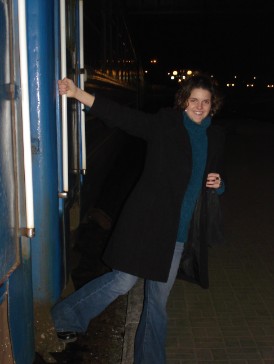
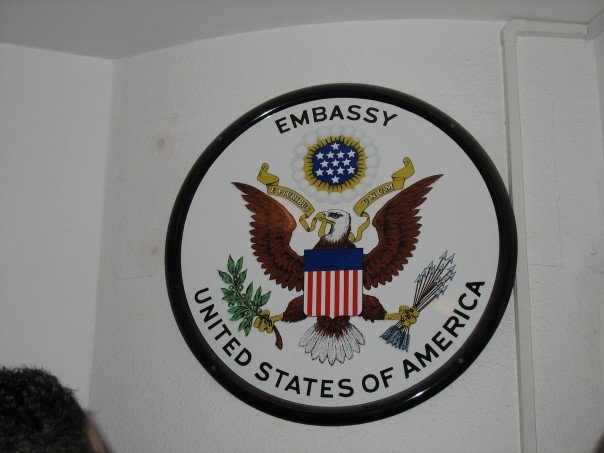
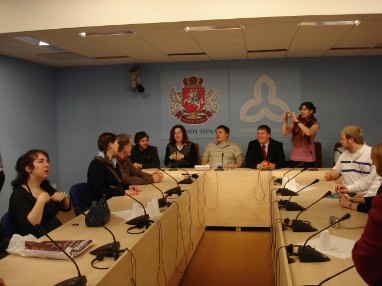
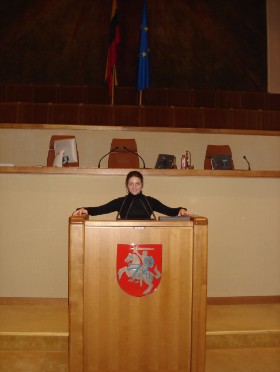
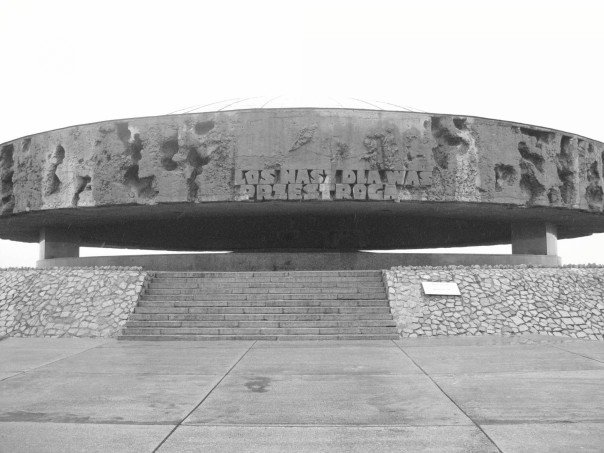
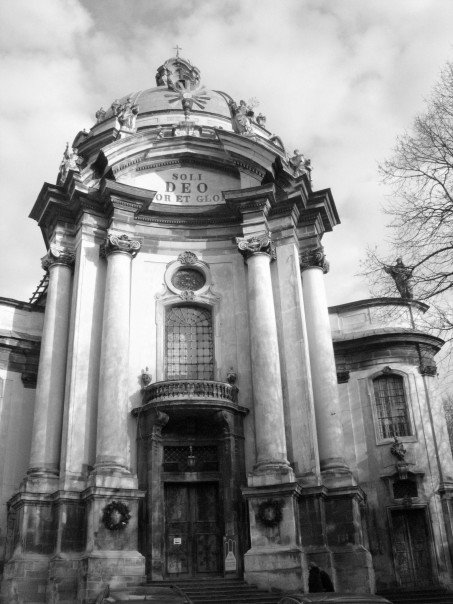
Poland, Ukraine, Belarus, and Lithuania have historically been pulled between East and West. At various points in their history, they have been dismembered to serve the interests of Russia, Germany, or the west generally. At other times, they have been autonomous though never fully free of the tension. The current historic movement towards European integration is simply another moment in this constant tension between East and West. Lectures providing a framework for understanding this movement will be combined with local speakers telling their personal stories in an effort to illustrate the daily consequences of this historic phenomenon. The course will also utilize local spaces and places (e.g., markets, churches, theatres, town squares, offices of local advocacy organizations) to illustrate the complexities that European integration creates for the population, including those who are resisting the change to a more fully westernized society.
 |   |
 |  |
 |  |
2006 Social and Political Transformation Spanish Immersion
This course explored socioeconomic issues in Ecuador as manifested in the country’s growing inequality and the proliferation of new social movements to address this crisis. Particular emphasis was placed on indigenous rights, gender equality, the protection and management of natural resources, and Ecuador’s new constitution. Students compared and contrasted the Ecuadorian experience with developments in other parts of Latin America. Ecuador is an ideal setting for this kind of inquiry, presenting a complex scenario of social and economic phenomena. What’s more, a mix of indigenous and European cultural and political institutions, as well as a division between a growing leftist movement and a historically conservative middle and upper class, makes it a microcosm of the wider Andean region. Students gained a firsthand perspective on these dynamics with field work and NGO site visits in and around the beautiful capital city of Quito and in more distant rural communities. Central Questions
FacultyExtrasThe
program was conducted in Spanish. Students are required to have
Spanish proficiency to participate. Lodging is arranged in family
homestays, allowing for cultural exchange.
|  |
2004 Spanish Immersion
Antigua, Guatemala
